
Fluff Pulp and Air-Laid Guide
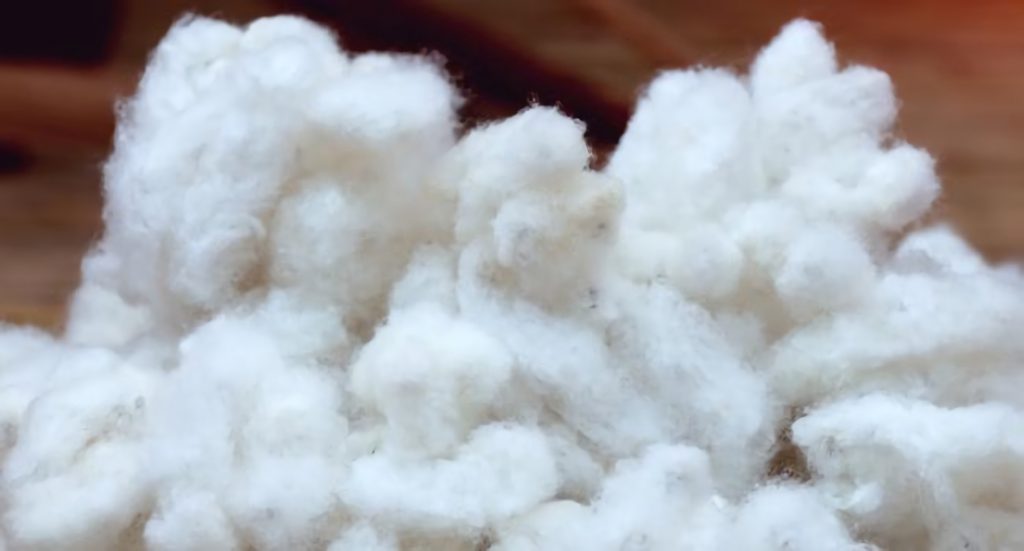
One of the raw materials used in the production of diapers and sanitary napkins is fluff pulp. This type of chemical pulp is made from long fiber softwoods. Bulk and liquid absorbency determine the quality.
Use of Fluff Pulp
The majority of fluff pulps are completely bleached chemical softwood pulps. This type of pulp was first developed to use in disposable sanitary napkin production. And today, baby diapers are the most significant end-use market for this pulp, due to rising volume and the value of the baby diapers market.

After the American feminine hygiene brand Kotex’s first introduction of Cellucotton appeared in 1921, disposable baby diaper producers did not lose time to start using fluff pulp. Low costs and high absorbency make this material suitable for absorbency-requiring products. The pulp can also be used by combining with synthetic or superabsorbent polymers to create absorbent personal products which can keep fluids and distribute liquids.
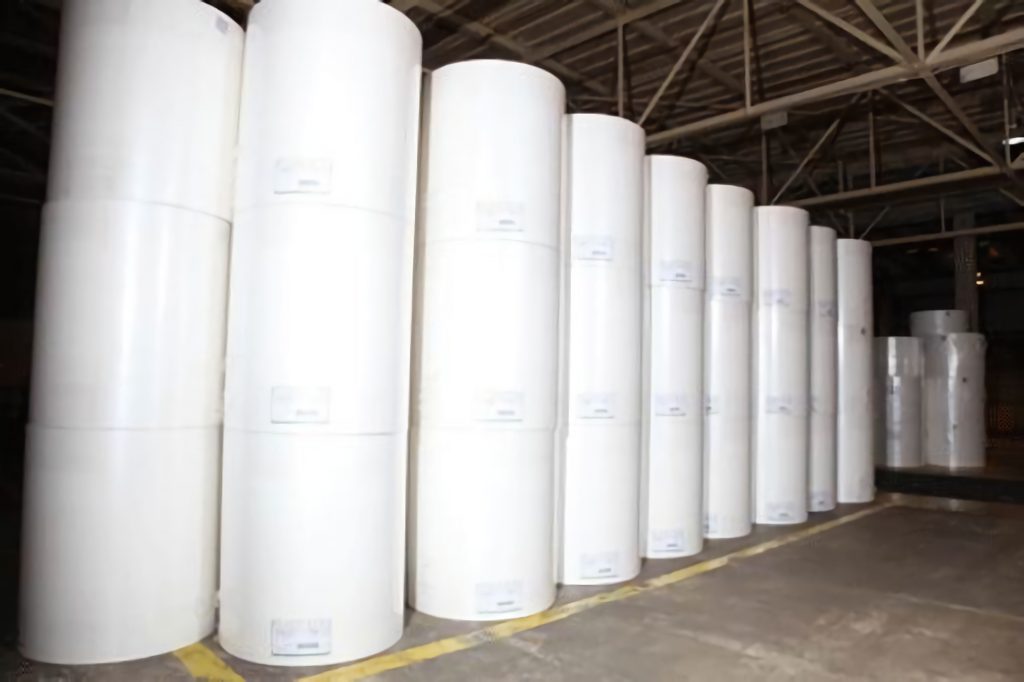
This special material is rolled into rolls or reels for transportation and storage, and the reels are directly converted by manufacturers into air-laid or hygienic products.
What is Air Laid?
Around the 1980s, the air-laid paper started to be commercialized. The reason for that is the qualifications it offers, such as better bulk, porosity, strength, softness, and water absorption compared to normal tissue paper.
Air-laid is made of fluff pulp and is used in a variety of applications. To make dry and wet wipes, cooking paper, baby wipes, and training pants. To produce this special material, the fibers in the pulp must be separated from each other before they are processed in a paper machine, which is a process called “defibration”. Better tensile strength and tear resistance make air-laid the perfect choice for various disposable absorbent uses in both the AFH and consumer markets.

Fluff Pulp Market Status
According to Smithers’ data, global fluff pulp consumption was increased to 6.49 million air-dried tones in 2020 which makes $6.23 billion. Data Bridge’s research state that the market is expected to grow at a rate of 5,40% from 2021 to 2028.
The United States dominates the North American market while the Asia-Pacific region holds the largest growth rate due to the prevalence of a large number of sanitary product manufacturers in the region.